

رؤى السوق
US Dollar Rises as US-Iran Tensions Make Investors Cautious
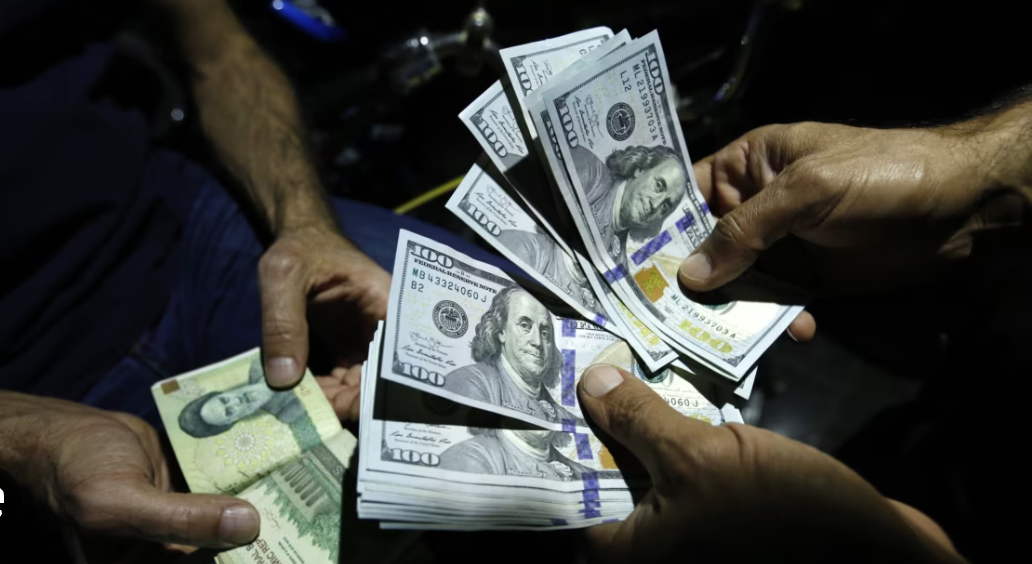 US Dollar Rises as US-Iran Tensions Make Investors Cautious
The US dollar rises once again, and the reason is not difficult to trace. Heightened geopolitical tension, particularly the evolving US-Iran conflict, is quietly reshaping global market behaviour. Traders are becoming more cautious. Risk appetite is softening. And as often happens in such moments, capital begins to flow toward perceived safety.
According to recent developments reported by Reuters, currency markets opened the week with a defensive tone. The US dollar rises against major peers as investors weigh uncertainty in the Middle East alongside ongoing policy expectations in the United States. Meanwhile, the Japanese yen remained relatively steady, although concerns about potential intervention from Bank of Japan continue to linger in the background.
Safe Haven Demand Drives Dollar Strength
When uncertainty increases, market behaviour tends to follow familiar patterns. The US dollar rises because it is widely viewed as a safe haven asset. In times of geopolitical stress, investors often prioritise liquidity and stability over yield.
Interestingly, the current environment reflects a subtle but important shift. While equities have not experienced a dramatic sell-off, risk appetite has clearly moderated. This is not panic. It is caution. Let that sink in for a moment. Markets are not collapsing, yet the preference for safety is strengthening. That nuance explains why the US dollar rises even without extreme volatility across other asset classes.
The US-Iran conflict plays a central role in this dynamic. Any escalation in the region carries implications for energy supply routes, particularly around the Strait of Hormuz. Even the possibility of disruption is enough to influence sentiment. Traders are responding accordingly, driving demand for the US dollar as a protective measure.
Yen Stability and Intervention Concerns
While the US dollar rises, the Japanese yen presents a more complex picture. Typically, the yen also benefits from safe haven flows. However, recent price movements suggest that its upside may be constrained.
Authorities in Japan have previously signalled discomfort with excessive currency volatility. The market remains alert to the possibility of intervention by the Bank of Japan or the Ministry of Finance. This creates a delicate balance. On one hand, global uncertainty supports the yen. On the other, policy risk limits aggressive positioning. As a result, the US dollar rises more convincingly against other currencies, while USDJPY trades within a narrower range than some might expect given current conditions.
Broader Currency Market Reactions
The impact of the US-Iran conflict extends beyond the dollar and the yen. Other major currencies are also responding to the shift in sentiment:
- The euro has shown modest weakness, reflecting concerns about global growth and external demand
- The British pound remains sensitive to domestic economic data but has also softened slightly as the US dollar rises
- Commodity-linked currencies such as the Australian and Canadian dollars face additional pressure
While higher oil prices could, in theory, support the Canadian dollar, broader risk aversion tends to outweigh that effect in the short term. This interplay highlights an important point. Currency markets rarely move for a single reason. Instead, they reflect a combination of geopolitical risk, economic expectations, and policy outlooks. Right now, the balance clearly favours the US dollar.
Policy Expectations and Dollar Strength
Even as the US-Iran conflict dominates headlines, monetary policy expectations remain a key driver of currency trends. The US dollar rises partly because the Federal Reserve is still perceived as maintaining relatively tight policy compared to other central banks. Higher interest rates enhance the appeal of dollar-denominated assets. When combined with safe haven demand, the effect becomes more pronounced.
According to analysis by Bloomberg, this combination of factors creates a powerful tailwind for the US dollar. However, this raises an interesting question: How sustainable is this strength?
If geopolitical tensions ease, some of the safe haven demand could unwind. At the same time, any shift in Federal Reserve guidance would quickly alter the outlook. Markets are aware of this. Positioning remains cautious rather than aggressively bullish on the US dollar.
Energy Markets and Indirect Currency Impact
The US-Iran conflict also influences currencies indirectly through energy markets. Oil prices tend to react quickly to developments in the Middle East. Even small disruptions or threats can lead to price volatility.
Higher oil prices can have mixed effects. For energy-importing countries, rising costs weigh on growth and currencies. For exporters, the impact may be supportive, though not always immediately.
This dynamic feeds back into the broader narrative. As uncertainty increases, the US dollar rises due to its global reserve status, while other currencies adjust based on their economic exposure to energy price movements.
Current Market Outlook and Investor Caution
The current landscape can be described in a single word: caution.
The US dollar rises, not because of a singular dramatic event, but because multiple factors are quietly aligning. Geopolitical tension, steady monetary policy expectations, and moderate risk aversion are all contributing to the trend. According to financial analysts tracking currency markets, investors remain cautious about taking excessive risk exposure.
Interestingly, markets appear to be in a waiting phase. Traders are monitoring developments closely, particularly any escalation or de-escalation in the US-Iran conflict. Small changes could lead to significant shifts in sentiment. That is the nature of currency markets. Subtle signals often carry outsized importance.
For now, the direction is clear. The US dollar rises as uncertainty lingers, and until clarity returns, that underlying support may remain intact. Investors positioning their portfolios should remain aware that currency movements, particularly for the US dollar, remain highly sensitive to geopolitical developments and policy signals.
DISCLAIMER: Derivative products carry high risk and may result in the loss of your entire invested capital. Before trading, ensure you fully understand the legal framework, product characteristics, and your broker’s trading rules. Always trade responsibly and with caution.
RISK WARNING: Margin trading with leverage is not suitable for all investors due to its high risk. THERE ARE NO GUARANTEED RETURNS in trading. Beware of any claims promising assured profits. Only use capital you can afford to lose. Before engaging in any transaction, ensure you understand the risks and assess both your experience and risk tolerance.
