

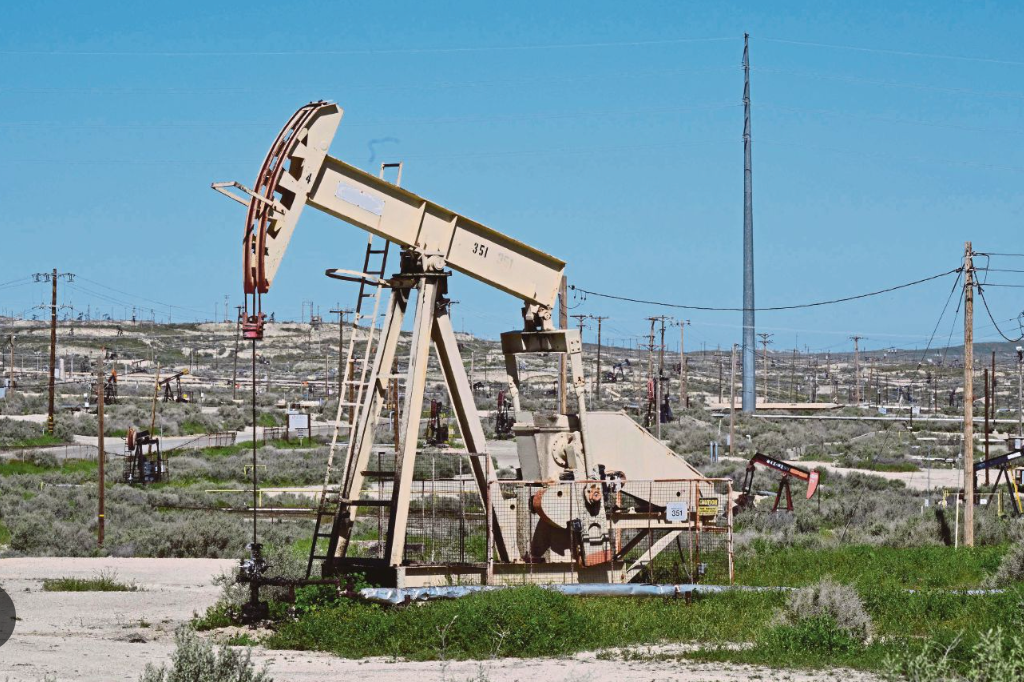
 Oil Prices Surge: Global Tensions Drive Markets
Oil prices surge once again, with Brent crude approaching the $120 level, as rising tensions between the United States and Iran intensify concerns across global markets. According to CNBC, the latest developments suggest that the risk of a prolonged conflict is no longer being dismissed as a short-term event.
Markets tend to react quickly to uncertainty, especially when energy supply is involved. This time is no different. The move higher in oil prices surge reflects a mix of fear, anticipation, and strategic positioning by investors who are trying to stay ahead of potential disruptions.
Why Oil Prices Surge During Geopolitical Tensions
When geopolitical tensions escalate, oil prices surge almost immediately. The reason is straightforward: supply risk becomes harder to ignore. The Middle East remains central to global oil production, and any instability raises concerns about output and transportation routes.
A key focus is the Strait of Hormuz, a narrow shipping route through which a significant portion of global oil flows daily. Even a hint of disruption can push prices higher. Traders are not waiting for actual supply cuts; they are reacting to the possibility of them, which often drives markets faster than confirmed events.
When oil prices surge during geopolitical uncertainty, the market is pricing in the risk of supply disruption before it actually occurs, creating a powerful anticipatory effect that magnifies initial price movements.
Brent Crude Near $120 and What It Reflects
The climb toward $120 per barrel signals more than just a price increase. It reflects a growing risk premium being priced into the market. According to recent market analysis, this level represents investor expectations about prolonged geopolitical instability.
At this level, oil prices surge begins to affect broader economic calculations. Consider the following impacts:
- Businesses face higher operating costs across multiple sectors
- Consumers experience increased pressure through fuel and transportation expenses
- Governments reassess inflation projections and economic growth forecasts
- Central banks weigh policy responses to rising energy costs
Oil at $120 does not just impact energy companies; it touches nearly every part of the global economy, from manufacturing to retail to financial markets.
Market Reactions Across Sectors
As oil prices surge, different sectors respond in markedly different ways. Energy companies often benefit from higher prices, as revenue and margins expand. Meanwhile, industries that rely heavily on fuel, such as airlines and logistics, may come under significant pressure.
Equity markets tend to show mixed reactions, creating volatility and uncertainty. The pattern is familiar, yet each cycle brings its own variations. This time, the geopolitical backdrop adds another layer of complexity that investors must navigate carefully.
Inflation Concerns Return to the Spotlight
When oil prices surge, inflation concerns quickly follow. Energy is a fundamental input cost across economies. Rising oil prices feed directly into higher transportation and production costs, which are then passed on to consumers.
The challenge for policymakers is significant. When oil prices surge, central banks face difficult choices:
- Should interest rates remain elevated to control inflation?
- Should policymakers prioritize growth risks and lower rates?
- How long will elevated oil prices persist?
- What secondary effects will emerge from higher energy costs?
These decisions are complicated further when oil prices surge unexpectedly, creating uncertainty about the inflation trajectory and the appropriate monetary policy response.
Investor Positioning in a Volatile Environment
In periods when oil prices surge, investors often adjust their strategies significantly. Energy stocks and commodities tend to attract attention from institutional buyers. At the same time, risk appetite may decline as uncertainty increases across markets.
There is also a marked shift toward defensive positioning. Assets such as gold may see increased demand as investors look for stability. Portfolio diversification becomes more important, especially when multiple asset classes face pressure simultaneously from events like those that drive oil prices surge.
Interestingly, the current market shows signs of cautious optimism mixed with underlying concern. Investors are not exiting entirely, but they are becoming more selective about which sectors and asset classes offer the best risk-adjusted returns.
Broader Implications for the Global Economy
The ongoing rise in oil prices surge highlights deeper structural issues in the global energy system. Supply chains remain sensitive to geopolitical shocks, and demand continues to recover in many regions. According to market reports, this combination creates a volatile environment for businesses and consumers alike.
Meanwhile, the transition to renewable energy is still in progress, and oil remains a critical component of the global economy. Sudden price movements can have far-reaching effects on inflation, employment, and investment decisions. This situation underscores how interconnected modern markets have become.
A regional conflict can quickly influence global pricing, inflation expectations, and investor sentiment worldwide, demonstrating the centrality of stable energy markets to global economic stability.
A Market Moment That Deserves Attention
Oil prices surge to $120 represents more than a short-term headline; it reflects a market grappling with uncertainty and attempting to price in complex risks. According to CNBC and other market observers, whether the situation stabilizes or escalates further will depend largely on geopolitical developments in the coming weeks.
That remains the key variable shaping market expectations. For now, the message is clear: volatility has returned to the forefront, and energy markets are once again driving global financial narratives. Oil prices surge events require careful monitoring, as investors watch closely, weigh risks, and adjust strategies as new information emerges.
Understanding how and why oil prices surge during times of geopolitical tension is essential for anyone with exposure to global markets, whether through direct energy investments or through broader portfolio allocations that respond to macroeconomic shifts.
