

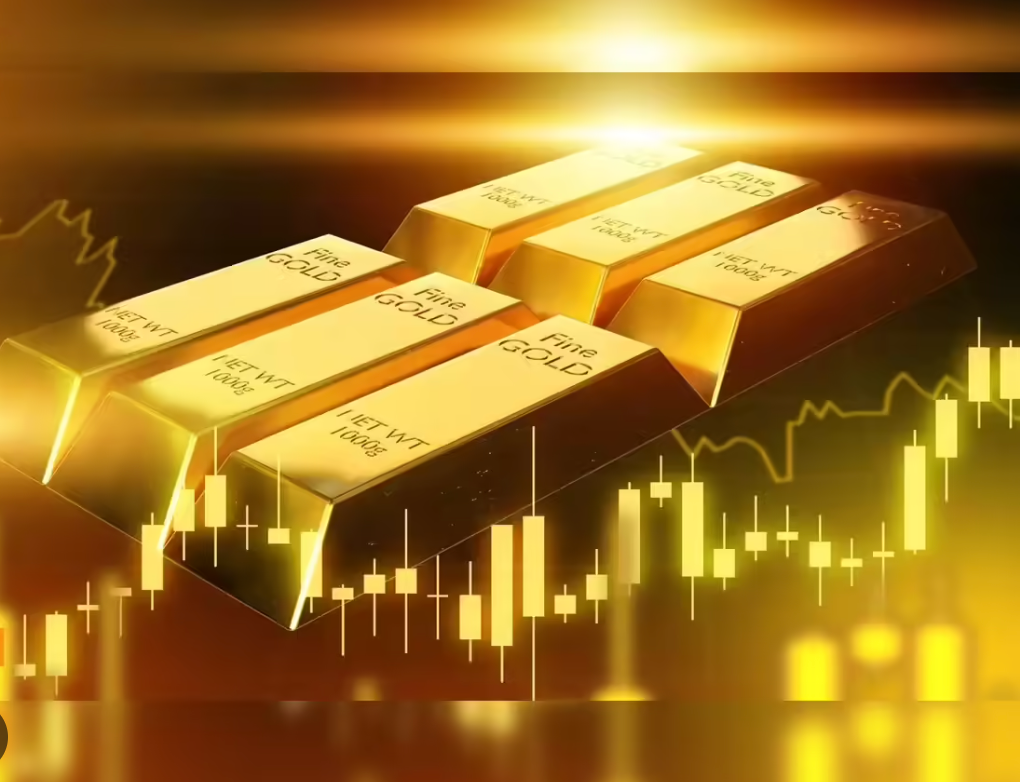
 Gold Prices Rise Amid Oil Reserve Release
Gold prices moved slightly higher on 11 March 2026 as traders assessed fresh developments in global energy markets. Reports that governments may release oil from strategic reserves to soften the impact of supply disruptions added another layer of complexity to an already uncertain market environment.
The movement in gold prices reflects a broader shift in investor sentiment. When energy markets experience shocks, financial markets often react quickly. Oil prices can influence inflation expectations, currency strength, and interest rate outlooks. As a result, gold prices often respond to these signals because the metal is widely viewed as a hedge during periods of economic uncertainty.
According to market data cited by Yahoo Finance, gold prices steadied near recent highs while investors digested the potential impact of emergency oil supply measures. The developments highlight how interconnected commodity markets have become. A change in oil policy can quickly ripple through financial markets, influencing the direction of gold prices within hours.
Oil Reserve Release and Its Impact on Gold Prices
News that authorities could release oil from strategic stockpiles emerged as energy markets struggled with supply concerns. Strategic reserves are typically used during major disruptions, including geopolitical conflicts or sudden production declines.
Interestingly, such policy actions can have mixed effects on gold prices. Consider the two competing outcomes:
- Releasing oil reserves may reduce immediate pressure on energy prices, potentially easing inflation fears and limiting upward momentum in gold prices.
- The need for emergency intervention often signals underlying instability in global markets, which can independently push gold prices higher as investors seek safety.
That perception alone can push gold prices upward. Investors tend to shift toward assets perceived as stable when uncertainty increases. Gold has historically served this role, especially during times of geopolitical tension or market volatility.
A decision designed to stabilize energy markets can simultaneously support gold prices because it highlights the fragility of global supply chains.
Why Gold Prices Often React to Energy Market Shocks
The relationship between gold prices and oil markets may not appear obvious at first glance. Yet the connection becomes clearer when viewed through the lens of inflation and macroeconomic expectations.
Oil plays a central role in global economic activity. When oil prices surge, the following consequences tend to unfold in sequence:
- Transportation costs rise across industries.
- Production expenses increase for manufacturers and suppliers.
- Inflation pressures build across multiple sectors of the economy.
- Investors reassess their portfolios, often increasing exposure to safe-haven assets.
Gold prices frequently rise during these periods because the metal is commonly used as an inflation hedge. Rising energy costs can weaken currencies and reduce purchasing power. Gold, by contrast, tends to hold its value over time.
Analysts at several commodity desks noted that gold prices stabilized as traders balanced two competing narratives. One narrative focuses on potential oil supply relief. The other centers on lingering geopolitical uncertainty and long-term inflation risks.
Market Sentiment and Safe Haven Demand
Beyond energy markets, broader financial conditions continue to shape the trajectory of gold prices. Currency movements, bond yields, and equity market volatility all influence demand for precious metals.
Two key macroeconomic drivers currently supporting gold prices include:
- US dollar weakness: A weaker US dollar makes gold cheaper for international buyers, potentially supporting gold prices across global markets.
- Declining bond yields: Lower yields reduce the opportunity cost of holding gold, increasing the metal's attractiveness to yield-seeking investors.
Recent market sessions illustrate this dynamic. As investors monitored developments in oil supply and geopolitical tensions, safe-haven demand remained present. Gold prices held firm even as energy markets fluctuated.
Financial strategists frequently emphasize that gold prices are driven not only by physical supply and demand but also by investor psychology. When uncertainty rises, gold tends to reappear in portfolio discussions as a stabilizing force.
Commodities Markets Enter a Period of Heightened Sensitivity
Commodity markets in 2026 have become increasingly sensitive to policy signals. Decisions regarding energy supply, trade policies, and monetary policy can quickly influence multiple asset classes simultaneously.
Gold prices are particularly responsive to these shifts because the metal sits at the intersection of commodities, currencies, and macroeconomics. A sudden policy announcement affecting oil can lead traders to reassess inflation expectations. That reassessment can quickly spill into gold markets and alter the short-term direction of gold prices.
According to Bloomberg, commodity analysts are currently watching two major factors that could meaningfully influence gold prices in the near term:
- Whether oil reserve releases will meaningfully stabilize energy prices over the coming weeks.
- Whether geopolitical tensions in key supply regions may escalate further, introducing new uncertainty into commodity markets.
Either scenario could influence gold prices significantly in the weeks ahead, reinforcing the importance of monitoring both energy and geopolitical developments in tandem.
A Market Signal Worth Watching
Gold prices rising alongside discussions of oil reserve releases offers a revealing signal about global markets. It suggests that investors remain cautious even when governments attempt to stabilize energy supply through emergency intervention.
Interestingly, gold prices often serve as a barometer of underlying confidence in the global financial system. When gold holds firm despite policy intervention, it may indicate that traders expect volatility to persist beyond the immediate term.
Energy markets may calm temporarily if strategic reserves are deployed. Yet the broader economic questions remain unresolved. Inflation concerns, geopolitical risks, and commodity supply challenges continue to shape investor behavior and, in turn, the direction of gold prices.
Gold reflects more than just commodity demand. It mirrors global uncertainty.
For that reason, gold prices remain closely watched across financial markets. Analysts, portfolio managers, and individual investors alike continue to monitor the metal as a real-time indicator of sentiment in an increasingly complex global economy.
